The Phone Screen Is the Most Important 2 Minutes of Hiring
A two-minute phone screen saves hours of wasted interviews. Here's how to do it right, whether you pick up the phone yourself or let AI handle it.
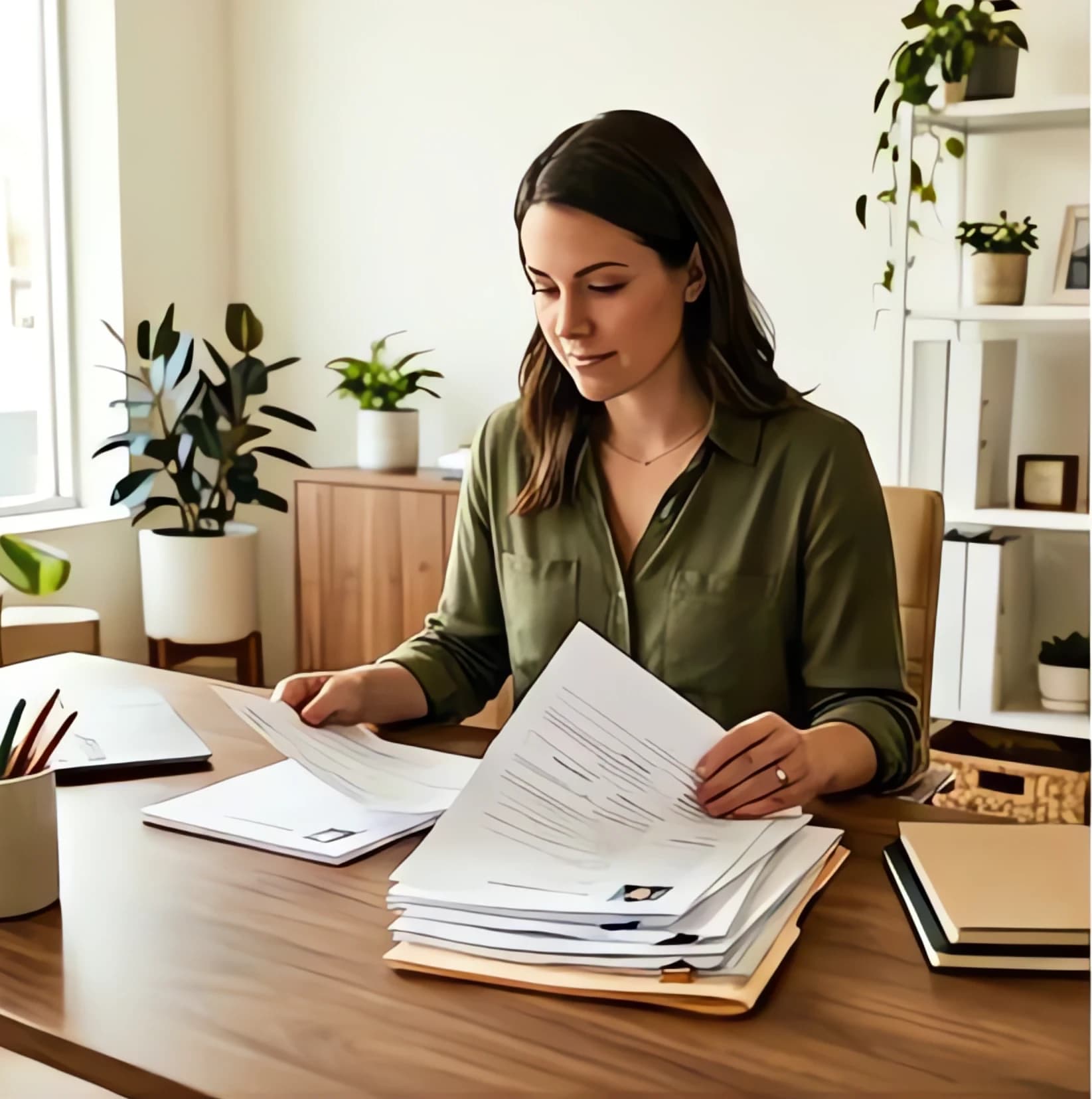
You do not have time to interview everyone who applies. If you are running a small business and you have an open position, you will get a mix of great candidates, terrible candidates, and people who applied to everything within a 30-mile radius without reading the listing. The phone screen is how you sort them out before spending an hour on an in-person interview that goes nowhere.
Two minutes on the phone tells you more than a resume ever will.
What a phone screen actually is
A phone screen is not an interview. It is a filter. The goal is to figure out, in the shortest time possible, whether this person is worth bringing in for a real conversation. You are not evaluating their personality or testing their skills. You are checking three things:
1. Can they actually do this job? (Do they have the basic qualifications?)
2. Can they work the hours you need? (Schedule compatibility)
3. Are they close enough to show up reliably? (Location and transportation)
If the answer to any of those is no, you just saved yourself a 45-minute interview and the candidate saved themselves a trip.
The three questions that matter
After thousands of applicant screenings, the same three questions keep proving to be the ones that matter most:
"What kind of experience do you have doing this type of work?" Open-ended on purpose. You want them to talk, not just say yes or no. If they have relevant experience, they will describe it. If they do not, they will dance around the question, and that tells you something too.
"What days and times are you available to work?" This is where most screenings end. You need someone for weekends. They cannot work weekends. Done. No hard feelings, no wasted time. Get this question out early because schedule conflicts are the most common disqualifier.
"What's your zip code?" Not their exact address, just their zip code. This tells you roughly how far they are from your business. In Orange County, a 25-minute commute is the sweet spot. Beyond 35 or 40 minutes, the odds of them sticking with the job for more than a month drop significantly.
Why most small businesses skip this step
The honest answer is that phone screening is a pain. You are busy running your business. When you get 20 applicants, the thought of calling each one and playing phone tag for three days sounds terrible. So you just invite the first five to come in and hope for the best.
The problem is that "hope for the best" means you end up interviewing people who cannot work Saturdays for a job that requires Saturdays. Or you interview someone who lives 45 minutes away and will quit in two weeks when the commute gets old. Each wasted interview costs you an hour of your time. Five wasted interviews cost you a full day.
Let someone (or something) else do it
This is where the options have gotten better in the last couple of years.
If you have a trusted employee, you can delegate phone screens to them. Give them the three questions above and a simple scoring sheet: green (bring in), yellow (maybe), red (pass). It takes the burden off you and your employee gets to feel invested in who joins the team.
The newer option is AI phone screening. An AI voice agent answers the phone when applicants call, asks your screening questions, captures the answers, and scores each candidate. The whole call takes about two minutes. You get a ranked list on your dashboard and you only talk to the top picks. It works in English and Spanish, which matters a lot in Orange County.
Whether you do it yourself, delegate to staff, or use AI, the important thing is that it happens. Screening before interviewing is the single biggest time saver in small business hiring.
What to listen for
Beyond the three core questions, pay attention to how the person communicates on the phone. For customer-facing roles (server, cashier, receptionist, barista), the phone screen is literally an audition for the job. Can they hold a conversation? Do they sound engaged? Can they answer a question clearly?
You are not looking for polish. You are looking for basic competence and a personality you could imagine interacting with your customers.
After the screen
Once you have screened your applicants, the next step is straightforward. Call your top three. Invite them in for a short interview (15 to 20 minutes is plenty). Make a decision within 24 hours if possible. Speed matters because good candidates do not wait around.
The phone screen is not glamorous. Nobody writes articles about how fun it is. But it is the two minutes that makes the rest of your hiring process work. Skip it and you waste hours. Do it and you only spend time with people who might actually get the job.
For the full hiring process from start to finish, check out our guide on how to hire employees for a small business. And if you are hiring for a restaurant, we have a specific guide for that too.